A pioneering event in the country, bringing together maternal and child health experts to analyze, discuss, and develop strategies to address this preventable health condition. The First International Conference on Fetal Alcohol Spectrum Disorders (FASD) in Mexico is organized by the Social Research Foundation (FISAC). This congress seeks to raise awareness of the problem of FASD, promoting knowledge exchange and fostering collaborative action for early detection, diagnosis, and treatment.
"Detect, Diagnose, Treat: the key to changing lives..."
Globally, the prevalence of alcohol consumption during pregnancy is 9.8%. The Americas rank as the second-highest continent, with an 11.2% prevalence—second only to Europe. In Latin America, this prevalence varies significantly, ranging from 0.4% to 57.4% In Mexico, there is a lack of updated data on prevalence and no standardized detection, diagnosis, or treatment protocols.
Criminal defense attorney with experience before the Provincial Court, the Court of Appeals, and the Manitoba Court of Appeal (Canada).
Programa académico del congreso
Day 1 Prenatal Stage
Prenatal alcohol exposure (overview and prevention)
Day 2 Postnatal Stage
Effects of alcohol on development (diagnosis and care of FASD)
Programa 2025
Program
Organized by
The Social Research Foundation, A.C. (FISAC) is a civil association founded in 1981 with the goal of contributing to the prevention of harmful alcohol use in Mexico.
Mission
Promote a cultural shift in society regarding responsible consumption of alcoholic beverages.
Nuestros cuatro ejes rectores:
Zero alcohol consumption by minors, during pregnancy and breastfeeding
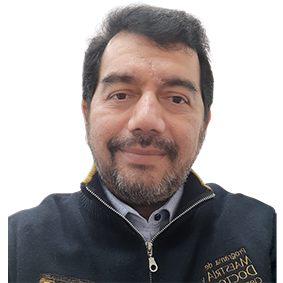
Dr. Augusto Rojas Martínez is a surgeon from the Colombian School of Medicine, with a Master's degree in Human Genetics from the University of Guadalajara and a PhD in Science specializing in Molecular Biology and Genetic Engineering from the Autonomous University of Nuevo León. A National Level III Researcher, he has been a pioneer in the study of medical genetics in Latin America, with contributions to gene therapy, pharmacogenomics, and complex diseases such as diabetes, hypertension, and schizophrenia. He is currently a professor and researcher at the Tecnológico de Monterrey, where he promotes the development of genomic studies in diverse populations. His career combines science, art, and a deeply humanistic vision of medicine. His extensive scientific output includes research on alcohol consumption during pregnancy and fetal alcohol spectrum disorders.
Silvia Lorenia Cruz Martín del Campo
Pharmacobiology / CINVESTAV IPN
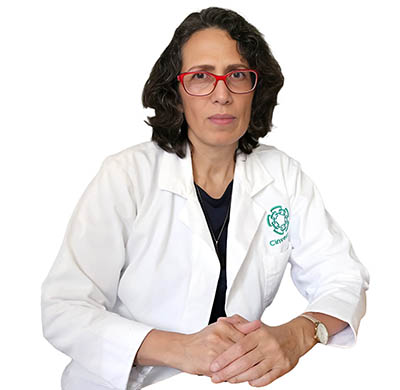
Dr. Silvia L. Cruz Martín del Campo is a 3D researcher in the Department of Pharmacobiology at CINVESTAV, where she leads the Addiction Neurobiology Laboratory. She is a member of the National System of Researchers Level III and an expert in behavioral pharmacology. Her work focuses on the neurobiological mechanisms of drug use, including opioids, solvents, and adulterants, as well as the effects of stress and prenatal exposure to substances. She has completed research residencies at Virginia Commonwealth University and actively collaborates with various national initiatives in addiction prevention and treatment.
Dr. Eiji A. Fukushima Taniguchi
Addictions and prevention / OAS CICAD
Eiji Alfredo Fukushima Taniguchi is a psychologist with a master's degree in Psychology and a residency in Addictions from the National Autonomous University of Mexico. He also holds the International Certification of Addiction Prevention Professionals (ICAP). His professional career includes roles as a researcher at Youth Integration Centers, a clinical psychologist at the Mexico City Health Secretariat, unit head at the Primary Care Center for Addictions in the State of Mexico, and deputy director of the Mexican Drug Observatory at CONADIC. He has been a consultant for the CICAD-OAS Therapeutic Justice Program. He currently serves as an international trainer for the Universal Prevention Curriculum and provides technical assistance to civil society organizations on substance abuse prevention, treatment, and recovery.
Dra. Laura Jiménez Aquino
Perinatal Psychiatry / INPer
Dr. Laura Elena Jiménez Aquino is a surgeon with a specialty in Psychiatry and a specialized training in Psychogeriatrics from the National Autonomous University of Mexico (UNAM). She also has training in Perinatal Psychiatry, Systemic Family Therapy, and Cognitive Behavioral Therapy. She is currently a physician assigned to the Department of Neurosciences at the National Institute of Perinatology, where she coordinates the areas of Psychology and Psychiatry. She is a full professor at the UNAM, both in the undergraduate and graduate programs of specialized training in Perinatal Psychiatry. Her clinical, teaching, and research work focuses on perinatal mental health. She has published several articles in this field and serves as a thesis advisor on topics related to anxiety, depression, and risk factors during pregnancy.
Dra. Larissa María Gómez Ruiz
Pediatrics and Neonatology / Civil Hospital of Guadalajara
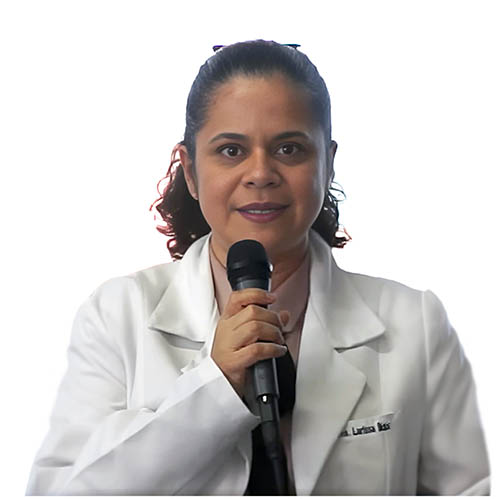
Dr. Larissa María Gómez Ruiz is a pediatrician specializing in neonatology, assigned to the Neonatology Service of the Nuevo Hospital Civil de Guadalajara "Dr. Juan I. Menchaca," where she also serves as the Neonatology Specialty Coordinator. She holds a PhD in Medicine and Translational Research from the University of Barcelona and is a Level 1 National Researcher in the National System of Researchers. She is also an active member of the Mexican Academy of Pediatrics. Her clinical and academic work has focused on the study of perinatal pharmacology and toxicology, areas in which she has contributed to the development of best practices for neonatal care in complex hospital settings.
Mtra. Valeria Sánchez Plascencia
Neuropsychology and Perinatology / INPer
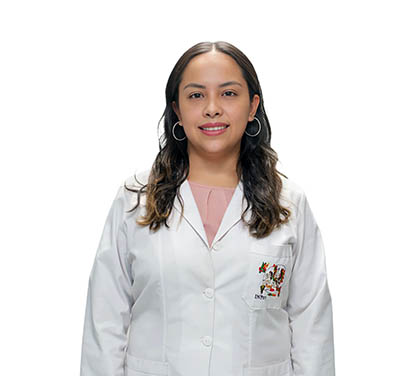
Ms. Valeria Sánchez Plascencia is a clinical psychologist graduated from the University of the Americas, with a Master's degree in Psychoanalytic Psychotherapy and a Master's degree in Neuropsychology. She has specialized training in attachment theory from the International Attachment Network (IAN-UK) and in dialectical behavioral therapy for addressing suicide risk and complex trauma, endorsed by the Behavioral Tech Institute. She also holds a postgraduate degree in complex trauma based on the attachment and complexity model. Her career has focused on perinatal mental health, infertility, and the psychoemotional aspects of pregnancy and childbirth, integrating approaches such as mentalization-based therapy. She is currently an adjunct professor in the Advanced Specialty Program in Perinatal Psychiatry endorsed by the UNAM (National Autonomous University of Mexico) and coordinates the Perinatal Mental Health Program for patients with mental disorders at the National Institute of Perinatology.
Dra. Susan J. (Astley) Hemingway
Pediatric Epidemiology / FASD DPN University of Washington
Dr. Astley Hemingway specializes primarily in Fetal Alcohol Spectrum Disorders (FASD). She is the Director of the Washington State FASD Diagnostic and Prevention Network (FAS DPN). The FAS DPN is a network of community-based clinics in Washington State, connected by the University of Washington Center on Human Development and Disability's clinical, research, and training center. The mission of the FAS DPN is the primary and secondary prevention of FASD through screening, diagnosis, intervention, training, education, and research. Dr. Astley Hemingway has developed a comprehensive FASD diagnostic system, “The FASD 4-Digit Diagnostic Code,” the 4-Digit Code Online Course, the FASD Facial Photo Analysis Software for the diagnosis and screening of FASD facial features, and the King County Foster Care FASD Screening Program. Has trained over 150 FASD diagnostic teams worldwide, as shown in the FAS DPN Tableau dashboards.
Dra. Erin Olson
Neuropsicología /FASD DPN Universidad de Washington
Erin Olson, PhD, is a licensed psychologist in Washington State and a professor in the Department of School Psychology at the University of Washington, where she teaches courses on assessment and diagnosis. Her career began as an early childhood educator, an experience that cemented her commitment to early intervention, positive parenting, and the development of skilled professionals. She earned her doctorate in School Psychology from the University of Washington and completed clinical internships at the UW Center for Human Development and Disability, the UW Parenting Clinic, the UW Autism Center, and Seattle Children's Hospital. She has worked extensively with children presenting with challenging behaviors, learning differences, and neurodevelopmental disorders, including those on the autism spectrum, which has enriched her practice in assessment, therapy, and consulting. In addition to maintaining a private practice, she is the co-founder of the Boyden Autism Center at Providence Regional Medical Center in Everett, a consultant to local schools, and a trainer of parents and educators. She is part of the interdisciplinary diagnostic team at the UW Fetal Alcohol Syndrome Diagnostic and Prevention Network (FAS-DPN), where she brings a strength-based perspective to each child and family, while promoting compassion and professional competence in her students.
Dr. Juan Carlos Zenteno
Genetics / UDER UNAM
Juan Carlos Zenteno Ruíz (Villahermosa, Tabasco, Mexico, 1968) is a Medical Surgeon from the Juárez Autonomous University of Tabasco. He completed his Specialization in Medical Genetics at the General Hospital of Mexico and his Master's (1999) and Doctorate (2004) at the National Autonomous University of Mexico. He is a Full-time Professor at the Faculty of Medicine of the UNAM, a member of the National System of Researchers at level 3. His lines of research are the genetic causes of hereditary diseases and the recognition of the molecular bases of various diseases in humans, particularly those associated with visual impairment. He is currently a Professor of Undergraduate and Graduate Studies at the UNAM School of Medicine, Head of the Genetics Department at the Peripheral Unit of the UNAM School of Medicine-Conde de Valenciana Institute of Ophthalmology, and since June 2022, Head of the Joint Unit for the Diagnosis of Rare Diseases at the UNAM School of Medicine. He has published more than 200 international articles in the field of Human Genetics, works that accumulate around 3,000 citations. He has tutored more than 50 Specialty, Master's, and Doctoral students in the areas of Health and Biological Sciences.
Mtra. Daffne D. Baldwin Monroy
Clinical Nutrition and Breastfeeding / National Institute of Pediatrics
Daffne Baldwin Monroy holds a bachelor's degree in Nutrition from the National Autonomous University of Mexico and a master's degree in Clinical Nutrition from the School of Dietetics and Nutrition at ISSSTE. She works as a nutritionist assigned to the intensive care and neonatology areas at the National Institute of Pediatrics, where she actively participates in the nutritional support of critically ill patients. She is a postgraduate professor in the Master's Program in Clinical Nutrition at the Universidad Anáhuac del Norte and the Instituto Tecnológico de Monterrey, and has more than a decade of teaching experience. Her work combines clinical practice with research in pediatric nutrition, with recognition in international forums such as ASPEN25. Committed to training high-level professionals, she promotes a humanistic and collaborative vision of nutrition focused on improving child health.
Jennifer Wisdahl
Support for individuals and families with FASD/TEAF United
Jenn Wisdahl leads FASD United's strategy and operations. With a data-driven, people-centered approach, Jenn has driven significant growth at FASD United by supporting the Affiliate Network, promoting the FASD Respect Act, creating the Family Navigator Program, coordinating National FASD Impact Week, and promoting the return of the International FASD Research Conferences, which have relocated from Canada to the United States. Prior to FASD United, Jenn spent over 20 years supporting companies in human resources, recruiting, and operations, and served on various international boards and advisory panels. Jenn was the executive producer of the award-winning short film, “The FASD Project,” and is the proud mother of three young adults with FASD and other prenatal substance exposures.
Morgan K. Lawrence
Justicia penal / Wash Law
Morgan Lawrence is a criminal defense lawyer with experience before the Provincial Court, the Court of Appeal of Manitoba, Canada, and various administrative forums. She holds a Bachelor of Human Justice degree from the University of Regina and studied International Law at Leiden University before completing her law degree at the University of Manitoba, where she continues to serve as a mentor and guest speaker. In 2024, she was appointed to the Manitoba Health Appeals Board. Her work extends beyond legal advocacy and includes a strong commitment to social justice, with active involvement in community organizations. Part of her work has focused on the analysis and informed approach to Fetal Alcohol Spectrum Disorders (FASD) within the Canadian criminal justice system, helping to raise awareness about how these conditions affect behavior and legal responsibility.